Discover the Key Advantages of Insurance for Financial Security and Tranquility
Insurance plays a pivotal role in guarding against life's uncertainties. It establishes a basis for financial security, offering protection from mishaps, illnesses, and loss of possessions. Familiarizing oneself with the various types of coverage available can significantly affect one's fiscal health. In addition, choosing prudently about insurance policies makes certain that individuals and families are adequately prepared for unforeseen occurrences. As the topic develops, it is evident how these factors foster a feeling of safety and peace of mind.
Grasping Various Forms of Insurance Protection

While many individuals recognize the importance of insurance, they frequently miss the various types of coverage available. Each type has a unique function and meets diverse situations. Medical coverage, for instance, offers monetary aid for medical expenses, ensuring access to required medical care. Car coverage protects against losses related to automobile mishaps, theft, and damage, giving assurance on the road. Homeowners insurance protects assets against risks like fire, theft, and severe weather, fostering a sense of security for homeowners. Moreover, life insurance provides monetary protection for beneficiaries in the event of the insured's death. Other forms, such as renters insurance and liability coverage, address specific scenarios that individuals may encounter in their lives. Understanding these diverse options is essential for selecting prudently about individual fiscal safety and gaining lasting safety.
The Function of Insurance in Handling Risk
Insurance plays an essential role in risk management by giving a clear strategy to reducing potential financial losses. Both companies and people employ insurance as a proactive measure to move exposure from themselves to an insurer, in turn limiting their exposure to unforeseen events. By evaluating various risks, insurance products are tailored to address specific needs, whether it be property damage, liability, or medical concerns.
In managing exposure, insurance functions as monetary protection. It enables companies and people to rebound after adverse incidents without facing massive financial strain. In addition, the known cost of coverage facilitates better budgeting and financial planning. By integrating insurance into a comprehensive risk management strategy, entities can focus on development and growth, knowing that they are safeguarded against potential setbacks. In the end, the role of insurance in risk management builds strength, ensuring stability in the face of the unknown.
Financial Security for Your Loved Ones
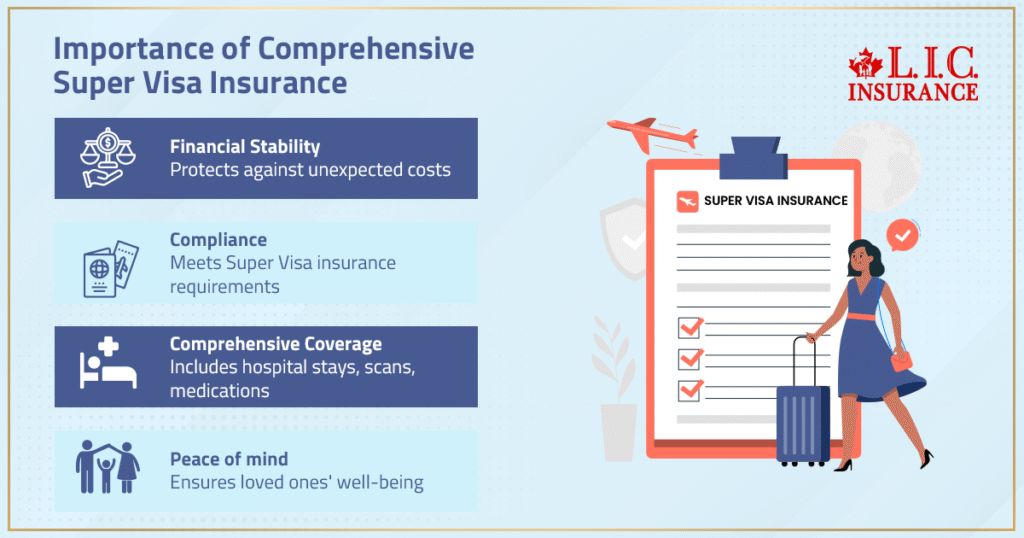
When families prioritize securing their finances, they build a protective shield that protects their family members against unexpected difficulties. Insurance plays a vital role in this effort, offering various policies that shield families from substantial financial burdens stemming from unexpected events, accidents, or sickness. For example, health coverage pays for medical costs, ensuring that families can access required medical care without destroying their financial security.
Life policies give further security by giving a lump sum payment to designated beneficiaries upon the death of the insured, enabling families to keep their current lifestyle. Homeowners or renters insurance protects against property loss or damage, further securing a family's financial future.
Confidence Thanks to Full Coverage
Extensive coverage offers families a strong structure for protecting their financial health, boosting the confidence that comes from being certain that they are ready for a range of possible dangers. With thorough insurance policies, individuals can navigate life’s uncertainties without the persistent fear of unexpected costs. This feeling of safety enables families to pay attention to their normal activities, promoting greater happiness and stronger bonds.
Moreover, thorough coverage often includes multiple elements like liability, property, and health coverage, which collectively contribute to a more stable financial future. When families are confident that they have adequate protection, they are more inclined to chase goals, such as furthering education or purchasing property, without worrying about losing their assets due to sudden incidents. In the end, the confidence offered by comprehensive protection allows families to live life to the fullest, knowing they have a safety net in place for life's unpredictable moments.
How to Select Insurance Coverage with Confidence
What steps related article guarantee individuals make the right decisions when picking insurance plans? To determine this, extensive investigation is essential. Individuals need to start by assessing their unique requirements and economic circumstances, which helps them to identify the types of coverage required. Comparing multiple insurance providers is crucial, as it highlights differences in premiums, deductibles, and coverage limits. Furthermore, looking at consumer feedback and consulting independent ratings offers clarity regarding the dependability of carriers.
Understanding policy terms is crucially important; individuals must grasp what is covered and the specific caveats to avoid surprises later. Engaging with licensed insurance agents is helpful for clarifying complex options and assist in customizing coverage to suit individual situations. Finally, reaching well-informed conclusions about insurance policies demands thorough review of alternatives, thorough inquiry, and understanding individual necessities, guaranteeing optimal security and financial security.
Commonly Asked Questions
In What Ways Do Insurance Costs Change Based on Risk Assessments?
Insurance premiums vary based on factors including age, health, location, and history of filing claims. Increased assessed dangers often cause increased premiums, while minimal hazards may result in price reductions and better pricing for the insured.
Can I Change My Insurance Coverage Mid-Policy?
Yes, individuals can change their insurance coverage in the middle of the contract period. But, modifications could influence premiums and demand the insurance company's consent. It is best to check the policy terms and talk to your insurance provider for guidance.
What Occurs When I Fail to Make a Premium Payment?
Should a payment be overlooked, the policyholder might be given a grace period to make the payment. Missing the payment may cause policy cancellation, termination of benefits, and potential difficulties in obtaining new insurance.
Are There Tax Benefits for Having Certain Types of Insurance?
Indeed, particular insurance policies, such as health and long-term care insurance, might yield tax savings. Premiums can sometimes be deducted from taxable income, leading to possible financial relief and financial advantages for policyholders.
How Do Claims Processes Differ Across Insurance Providers?

Claims processes vary greatly among insurance companies, where some requiring detailed documentation and others offering streamlined online submissions. Timeliness, customer service, and clarity also vary, influencing the total experience for insured parties during a claim.